
Travel

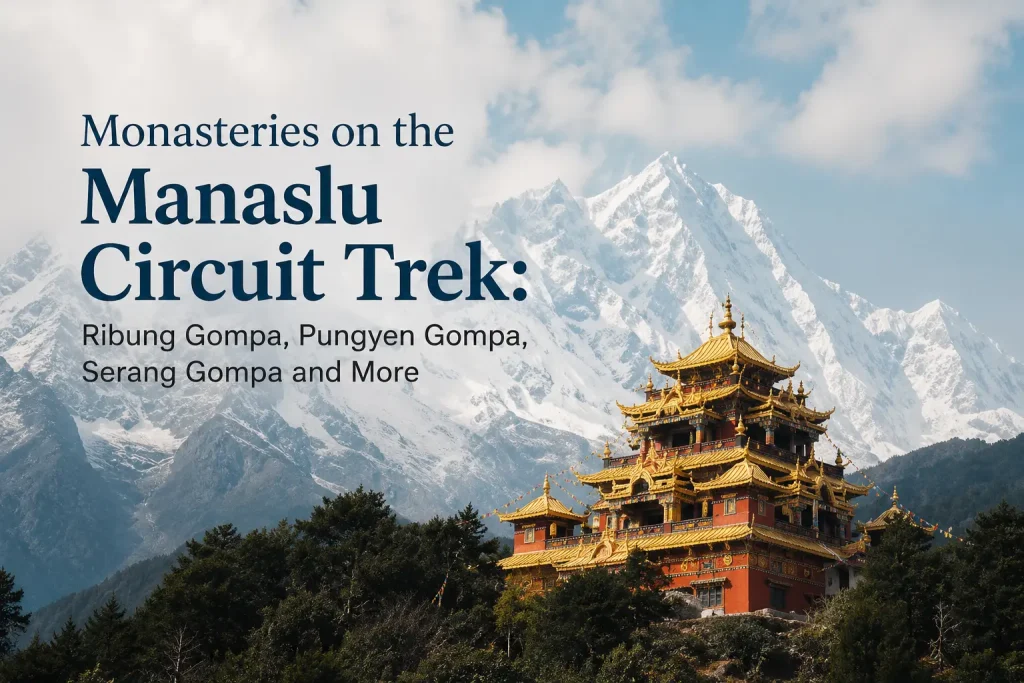
Manaslu Circuit is a greatly scout-out-and-about auspicious and saintly Himalayan trip to the very estates of one of Nepal’s most breathtaking mountains, taking you near unmatched Austrian-style alpine settlements and ancient traditions. While the dramatic view of Mount Manaslu and the challenging trail around this mountain are what attracts many trekkers, several monasteries along the way provide a fuller understanding of its holy heritage.

Trekkers here have been given a window into the culture, history, and belief systems of Himalayan communities extending all the way from these peaceful Buddhist monasteries dotting valleys across the great mountain range. When you add the hidden monasteries to a Manaslu Circuit Trek, you raise your adventure from simply a breathtaking trek to one that is steeped in meaning and cultural discovery.

The Sacred Sights in the Manaslu region

Heavily influenced by Tibetan Buddhism, monasteries in the region are an important place for history, and local traditions are retained. Villages that by and large were affected by their Tibetan and Himalayan ways of life with regard to existing customs have followed the spiritual practices through ages along these trekking ways. We will now talk about some of the facts that you need to know regarding the Manaslu Circuit Trek: On your trip you will be seeing colorful prayer flags, manila walls, prayer wheels, and monasteries. These religious sites portray the association of mountain groups and the trek tofs. The trekkers must be made conscious of the cultural experiences that too form part of the journey, not just mountains; this heritage is vital to them.

Explore Monasteries Around Samagaon Village

Samagaon is one of the cultural highlights in the Manaslu Circuit Trek; traditional monasteries are an excellent opportunity to explore. A Tibetan-influenced village under the immense form of Hit Manaslu conveys spirituality. The best way to do this would be through visiting local monasteries, learning the Buddhist way of life, and soaking in the vibes of the village. Nearby Magandi, which is an old man-visited religious place, itself is a cultural site showing tricks from the past as well as a legacy concerning the locals existing within that spot from invaders a lot longer back. These monasteries act as peaceful centers during the acclimatization days from the difficult trek route.

Indulge in a refreshing, calming Himalayan experience at Pungyen Gompa

Pungyen Gompa is a hidden monastery that you should visit on the Manaslu Circuit Trek route. High above Samagaon is this 17th-century monastery with spectacular views across Mount Manaslu and the Himalayas countryside. The location is different, but the context is nestled. With a tranquil setting and uncomplicated monks, it makes for good vibes to be held dear when reflecting or taking pictures. Together with the short trek to Pungyen Gompa, this offers a great acclimatization alternative for trekkers looking for a more secluded cultural experience. This hidden monastery not only serves as a blessing, but it also teaches travelers the spirituality and natural beauty of the Manaslu region.

If you are interested in an ancient Buddhist place in the area, then this is your spot!

The famed Lho village, where Himalayan Buddhist remains are practiced, is another cultural high point for visitors to the Manaslu circuit trek. This village is so genuine, with prayer stones and monasteries—really the more old-fashioned method of performing religious ceremonies right here. Hidden close behind the iconic Ribum Gompa in Lho are quiet spots with fantastic views of Manaslu Peak. This is a place where trekkers can learn how in Himalayan societies, religion and everyday life are interwoven. Lho, with its historical culture and Himalayan backdrop, will soon leave any spiritual soul impressed.

Going into Local Traditions and Monastic Life

The Manaslu Circuit trek includes not only architectural wonders but also insights into local customs. Format: Monasteries: Where Was Fortunately They Served 10TriviaQ-What monasteries did other things? Comment: But how many monasteries are still places of worship, meditation, education, and communal gathering? While hiking, trekkers may witness monks performing rituals, spinning prayer wheels, or perpetuating their ancient customs. It is a covered area where visitors are invited to take in the spiritual atmosphere as onlookers. All of these experiences provide an insight into the lifestyle and faith of people living in the Himalayas.

Make Learning about Local Culture the Highlight of Your Expedition

When you are planning your itinerary for the Manaslu Circuit Trek, you should allocate enough time to cultural exploration and find the undiscovered monasteries in a better way. To run through villages means going to miss some very near but hidden treasures of spirituality. The acclimatization days and shorter walking sections provide better access to the monasteries. Advance knowledge of the router-to-monasteries myths also enables travelers to find pilgrim-aided roads and the importance of the road itself. The itinerary has been artfully designed to add elements of cultural exploration amidst the grand Himalayan ambience.

Be nice when entering monasteries

On the other hand, when you go to monasteries around the Manaslu Circuit Trek, respect local rituals. Wear appropriate clothing and respect the rules of the monastery, especially when taking pictures (check first whether you are allowed to take a photo of religious ceremonies or locals). Respecting temple areas, moving gently, and keeping an eye out for indications that others are praying—these are all indications of stopping, in the Buddhist way. Responsible cultural tourism allows for the protection of these sacred spaces whilst cultivating new connections between trekkers and locals. Respectful behavior allows for real, genuine engagements with monasteries as you venture through them.

Photographing the Beauty of Monasteries

The Manaslu region’s hidden monasteries provide unique photo opportunities. Utopian photographic opportunities offering traditional Buddhist architecture, colorful prayer flags, and ancient walls with a vast mountain as a dramatic background. The ugly forms in the photographic cameras—photographers live and die to prove that relation of a spiritual heritage and the broken landscapes of the Himalayas. That being said, where photography is concerned and especially around religious sites, a degree of cultural sensitivity should always be applied. Great images require patience, respect, and the understanding of the local environment. The Manaslu Circuit Trek, known for its own cultural touch, can be recorded with monastery photography.

Cross-Monastery Hiking With Mountains

It is the hands-on evidence of nature adventure and cultural discovery that makes the Manaslu Circuit Trek. Trekkers traverse through the high passes and feast their eyes on enchanting views of other Himalayan peaks and meander to invalid monasteries in these isolated hamlets. This focuses on the actual trekking experiences as well as forming a more mutually beneficial relationship with your destination. One option that differs a little here from many of the well-known trekking routes in Nepal is the Manaslu Circuit Trek, which combines the mountain challenge with this cultural element.

Last words on Secret Monasteries at Manaslu Circuit Trek

It takes you through this hidden world of monasteries and the spiritual heart of the Himalayas. And either from centuries-old gompas above Samagaon or Buddhist sites further up the river in other mountain hamlets, these spiritual spots are sampled tapestry experiences that contribute to a more authentic cultural portrait of Manaslu. There are layers of meaning & serenity that monasteries add to cultural trek experiences. However, by means of proper planning and more travel-respectful manners The Manaslu Circuit Trek can become the most astounding mountain scenery and ancient traditions, making it one healthy trip to remember.

0 comment
0 FacebookTwitterPinterestEmail

Everest Base Camp Trek Guide | Royal Holidays AdventureProfessional photo shoot of the beautiful Himalaya at the Everest Base Camp Trek, one of the court shooting places in Nepal. Keen eyes up on the peaks beyond the air-conditioned Jeep can spot some of the best trekking photography opportunities in the world: high mountains and wide valleys, where past and traditions haven’t changed much in years.

Expect different scenery in every phase of your Everest Base Camp Trek, including splendid green valleys and peaceful forests before entering the high-altitude mountain surroundings. This path is a fantasy destination for scene picture takers, travel photographic artists, and experience darlings because of the regular magnificence and Sherpa culture, just as the excitement of climbing in the transcendent Himalayan landscapes.

Capturing Jaw-Dropping Views of Mount Everest and Other Himalayan Peaks

One of the main attractions for photographers traveling to the Everest Base Camp Trek is that they have the opportunity to photograph Mount Everest, seen at a height of 8,849 m—the tallest mountain on Earth. The trail meanders past amazing viewpoints welcoming photographers to frame Everest alongside artists of its famed Himalayan peers—Lhotse, Nuptse, Magnificence, and Thamserku. The changing light over each day brings different moods, from golden sunrise to dramatic sunset views. The mountain landscapes that are incredible to the eye allow many photographers to take some powerful shots of such grandeur and its spanned plains.

Explore everything through the trek

This is one of the reasons the EBC Trek has excellent photography shots, as it possesses such diversity in landscape. Passing on paint-colored forests, bridges, rivers, craggy valleys, glaciers, and high mountains. Every environment can be used to capitalize on photography in a completely different manner. The lower parts of the trek are lush natural sceneries, but as you go higher, you see snow-capped mountains and rugged space. This goes in a circle and lets photographers have something new so they can take something every day.

Sunrise and Sunset Photography of Everest & Himalaya

One of the best landscape photography places in the world, the Everest region is a magnet to more than thousands of adventure hunters each year wanting to capture an impeccable sunrise and sunset. Up early in the morning light, across Himalayan colors, soft golden rays, and late evening bust of mountains against clouds. The opportune sites to get pictures of Everest and its surrounding peaks are places like Kala Patthar. These times bring about wonderful lighting conditions leading to emotionally filled, depthful, and natural beauties in photographs.

This is an amazing photographic set of the Himalaya.

Mountain Photography: The Everest Base Camp Trek is more than just mountains—it gives ample opportunity to photograph the culture of the Sherpa people. Traditional villages, colorful monasteries, prayer flags, local markets, and daily life in the mountains make perfect photography subject matter.

The Sherpa community represents prints (as shown in the runway) with stories that celebrate Himalayan narratives and relationships of human and nature; the meaning is within. Ethics: Cultural tourism permits tourists free moments from natural truth along the day; almost every moment visible in Everest lays different and also makes a history-level primary life of connections.

Then convert into your words into might.

It is also one of the best places for shooting architecture and culture during the Everest Base Camp trek. Famous places: Namche Bazaar, Tengboche, Dingboche & Lobuche—models of mountain settlements surrounded by astonishing scenery. Thanks to the backdrop of the mighty Himalaya, photographers can portray stone houses, Buddhist symbolism, villagers, and village life. These are the places that everyone should be able to experience at least once in their life, blending natural splendor with Himalayan tales and producing photographs that encapsulate what trekking in Nepal is all about.

Sagarmatha: Wildlife and Natural Wonders

This decor additionally offers assorted normal environments and uncommon Himalayan untamed life, passages to take photographs from the Everest territory. Photography at the Everest Base Camp Trek—Trekkers capture mountain birds along with a new breed of flora and fauna and vistas unique to the Sagarmatha National Park, which are what photographers shoot. The wildlife, forests, and massive mountain peaks make for interesting compoundments! While trekking in the expedition zone, one can contemplate the forest of nature of a photographer during this trekking journey.

Adventure Photography Adventure on the Everest Trail

Trek adventure opportunities based on images of you trekking in all the great terrain, including people standing near suspension bridges, climbing up the mountain trails and getting right deep into glaciers (staring at magazines for your enjoyment) as adventure chips. Despite this, adventure photography is about the story it tells in pictures that capture the range of emotions and the struggles and successes along your journey. High resolution photographs that recalls memories from one of the toughest trekking sanctuaries in Himalayan region.

Most Essential Photography Tips for the Everest Base Camp Trek

Photographers should be prepared with sufficient camera equipment, spare batteries and memory cards, and rainproof covers because mountain weather can change abruptly. Wider the landscapes we see in the Himalayas, a zoom will help us to focus on the mountains or cultures. You can improve your results by keeping equipment safe from cold temperatures, considering plans and lighting conditions for night photography based on natural light. You can get them with patience and creativity: memories that can last a lifetime from your time photographing in the Himalayas.

Himalayan Best Time to Shoot

Best Time of Year to Experience Everest Base Camp Trek Photography Seasonally, spring and autumn also are the optimum seasons, as they tend to have fine weather, stable conditions, and good mountain visibility. It is Spring with flowers, green grass and during Autumn cold breezes as well as clear views of blue sky and white mountains. Then we have winter, which provides some nice scenic snowy views; however, you need to plan a bit more terrain and nature preparation because the weather will be much chiller. Of course, you want to take the best pictures, and a selection of the right trekking season is one way to choose maximum opportunities.

This article is brought to you by Everest Photography: Memories last a lifetime

The Everest Base Camp Trek is again not only on how pretty the photographs and data are!!! Starting with personal stories, like this photo of a mountain view or recounting fond memories from calm moments in the villages in the Himalaya. This travelling creates emotions linked to the natural beauty, culture, and adventure. There are countless sources of inspiration in the Everest region for photographers with ample opportunities to shoot once-in-a-lifetime photos.

Final Conclusion on Taking Photos

The Everest Base Camp Trek is what we can even say is the best Himalayan photography trek out there because you get some of the most famous mountains on earth, an array of scenery and nature from your doorstep, and cultural expedition moments that take breath. Be it the view of the sun rising on Everest or learning about Sherpa traditions, each part of your journey has a quirk in store for you. It is professional, and any traveler loves to take a shot of experience on the go with boundless creativity! The Everest region itself, perhaps, creates one of the most stunning pieces of scenery on the planet Earth; wherever you click will be gorgeous, and that is also why it is an excellent destination for Himalayan photography.

0 comment
0 FacebookTwitterPinterestEmail

And then there is THE trek: Everest Base Camp and off-piste to avoid the crowds and to experience a less-travelled, more personal journey. The best time for trekking In the spring (March–May) and autumn (September–November), when weather conditions are the best and there are the most facilities, but you can still face challenges – and reap rewards – if you choose to trek in the off season, in winter and early monsoon.

If you are an adventurous soul, a winter trek to the Everest Base Camp Trek Cost could be your best summer. Sure, it receives chilly, particularly as you head to the high peaks; however, the trails are nearly empty of hikers. If you’re fortunate, you’ll be treated to a few staggering Himalayan views on clear days. If you’re capable of withstanding this weather and you’ve got the important devices, this may be extraordinary for everybody who simply enjoys being inside the mountains on their aid of themselves!

Yeah, trekking within the monsoon may be hard in the rain in case you’re not ready, however, the monsoon is also a captivating time to move.

 The trek is super green, and you won’t see that many trekkers – bonus if you want to get all wild without humans. The secret is a good set of waterproof gear and being aware of dangers such as slick mud and trails, and landslides.

Whatever off-season you opt for, you will also want to prepare and organize, train for it, and have the right gear. I do not have any experience, could I trek in these months? You could trek in these months and you would enjoy seeing a much calmer Everest Base Camp and even more getting a real taste of trekking in the wild.

When is the high-quality time for the Everest Base Camp trek?

The great time to EBC Trek is spring (March–can also additionally) and autumn (September–November).

These are the times when of weather is clear and the temperature is also pleasant, so hiking is best. It’s particularly pretty in the spring (flowers explode here), and it’s terrific in the fall if you’re looking for some good mountain views and very crisp air. Monsoon downpours make the roads and trails into dust all through the monsoon season (June-August), at the same time as iciness (December-February) is just too cold for the majority of site visitors. For the nicest climate and the prettiest perspectives, it’s spring and fall.

How long does it take to hike to Everest Base Camp?

A median Everest Base Camp trek is 12 to 14 days.

 It also provides an outstanding possibility to acclimate to the elevation, as you climb satisfactorily and progressively.

You begin with a flight to Lukla, then trek through stopovers including Namche Bazaar, Tengboche, and Dingboche, with masses of breaks, rests, and acclimatization along the way, earlier than eventually reaching base camp. The return can typically be made within three or 4 days, and frequently in much less time.

 It gives you a bit more room to acclimatise and rest on the trail.

How Do I Clear My EBC Trek?

An Adaptation, A Precondition, To be safe while trekking to the Everest Base Camp_ is to acclimatize! You will also have to plan for some down days to help acclimate to the altitude in places like Namche Bazaar, Tengboche, and Dingboche. Here you go, high in the day and low for sleep. These recovery days will allow your body to acclimate to the thin air. Meaning paying attention to “climb excessive, sleep low” — the recommendation to ascend, then sleep, at better elevations, however, retire at a lower altitude — and staying aware of the way you sense, and the way your body is responding to the altitude, for your journey.

Do I want to take a guide or a Porter on the Everest Base Camp trek?

It is possible to do Everest Base Camp with the aid of your self, but I can not stress enough about having a guide and/or porter.

 Guides can offer advice on the trail and the region’s culture, not to mention safety precautions, while porters can carry your heavier gear, leaving you (literally) unburdened by the weight of the world. They know the lay of the land, they can help with transportation hiccups, and they’re committed to making things simpler, safer, and more pleasurable. They could make a stroll a touch bit more of a laugh, in particular in case you were no longer used to walking at peak!

What do you want for hiking to the Everest Base Camp in Nepal?

In case you are planning to trek to Everest Base Camp, you’ll want to comfortable primary allows: the Trekker’s records control device (TIMS) card and the Sagarmatha National Park permit. Trekkers’ details are shown in the TIMS card, and it lists trekkers, whereas the Sagarmatha National Park Permit is the entry pass of the park. You can get these two permits in Kathmandu, or you can easily obtain them in Lukla, where you start the trek from. (“These permits are also something you’re going to want to hang on to, as you’ll find yourself producing them at a few different checkpoints along the trail.”

What to Take for Everest Base Camp?

When it comes got planning for this thing, it’s similar to altitude, but it is also important to take into consideration chilly temperatures when planning for the Everest Basecamp trek. Go away with the high Heels at home. Deliver a very good pair of hiking boots, ponchos for rain and bloodless, water and bloodless-evidence garb, and a cozy sound asleep bag. Bring a daypack, headlamp, first-aid bundle, and hydration tool, like a CamelBak. You’ll be doing a combination of hiking at altitude, so it’s exceptionally crucial to put on layers you may add on or strip off because the temperature modifies. And such awesome views. And some sunscreen. And a few snacks. And for those photos.

How Fit Do I Need to Be For the Everest Base Camp Trek?

It’s also a bit of a test of whether you are or aren’t fit. You don’t have to be Olympic-fit, but you do need to be fit enough that you can spend days hiking at high elevation. The stronger those legs get, the more you’ll be able to power up on the uphill and take advantage of the downhill. Some walking, some weight lifting, a little bit of climbing, stuff like that, light workouts, and also like we’re ready to go. Try practicing on a trail going along the side of a hill.

Pre-trek for the Everest Base Camp trek

Everest Base Camp trek is a bucket list trip, and the trick to having a good time is to be ready for it, to enjoy it, instead of making it into some kind of suffer fest. And to beautify your journey, consciousness of your fitness, the quality of your equipment, and your acclimatization. You can choose a guided or self-guided hike, and they’re all different, but the classic hike is well-known for its jaw-dropping views and cultural flavor.

And let’s say you do train a little, and you feel acclimated when you fly to the Trek: Pack smart and hydrate like crazy. It’s a 12-14 day trek and you can plan leave/acclimatization days ahead so that your body on a middle can adjust.

Plan, on the other hand, care for picking routes, gear being on point and getting in shape and you’ll be clucking like a hen across one of the best treks of your lifetime which is the Everest Base Camp hike in the shadow of the worlds most hypnotizing highest of high mountains, kettle of fish! 🏔️💪

0 comment
0 FacebookTwitterPinterestEmail