

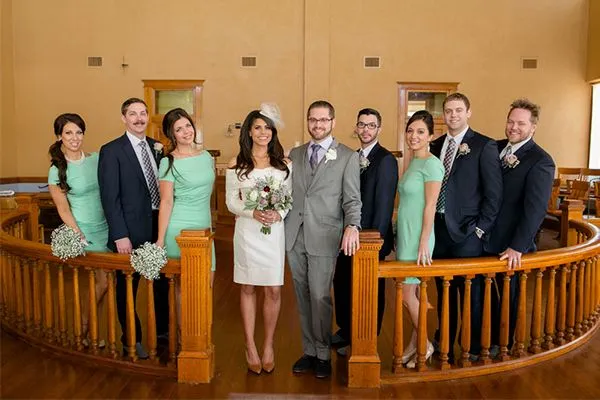
Civil ceremonies are often shorter than traditional weddings, but that does not make them visually or emotionally smaller. A courthouse wedding may include only a few guests, a brief legal ceremony, portraits nearby, and a meal afterward, yet each part can still contribute to a complete story because the schedule is compact; photography benefits from careful decisions about access, timing, family involvement, and what happens before and after the ceremony. The goal is to use limited time well without making an intimate celebration feel overproduced.
Confirm the Rules Before the Wedding Day
Courthouses and municipal buildings may have photography restrictions that differ from private venues. Some allow cameras freely, while others limit where photographers can stand, whether flash is permitted, or how many people may enter the ceremony room.
Couples looking for a wedding photographer boone north carolina should confirm these details directly with the courthouse or officiant rather than assuming the rules will be the same elsewhere. Knowing the restrictions early gives the photographer time to plan useful angles and prevents last-minute confusion.
Photograph More Than the Legal Formality
The ceremony itself may last only a few minutes, so the surrounding moments become especially important. Signing documents, waiting in a hallway, greeting family members, walking into the building, or exchanging a few private words afterward can provide context that the legal portion alone cannot.
These transitions help the final gallery feel like a wedding story rather than a record of one administrative event. Couples can also include personal traditions, flowers, letters, or meaningful accessories without making the day more elaborate than they want.
Choose Portrait Locations Close By
A civil wedding does not need a long portrait tour across several locations. One or two nearby settings are usually enough to create variety while protecting time for family and celebration.
Architecture, a quiet street, a garden, a café, or a meaningful neighborhood can all work. Couples arranging Burnsville Nc Wedding Photography can think about places that feel connected to them rather than choosing a backdrop only because it looks traditionally “wedding-like.” A familiar setting can make a short portrait session feel more personal.
Give Family Photos a Clear Structure
Small weddings often include only the people closest to the couple, which can make family photographs especially significant. A short list prepared in advance keeps the process efficient.
Start with older relatives or guests who need to leave early, then move through immediate family and a few important smaller combinations. Because the guest count is usually limited, there is no need to create dozens of variations. A focused set of portraits can document the relationships clearly without consuming much of the celebration.
Think About What Happens After the Ceremony
A courthouse wedding can feel incomplete in photographs if coverage stops the moment the legal ceremony ends. The next part of the day may provide much of its personality.
Couples might celebrate with lunch, drinks, cake at home, a restaurant reservation, or a gathering with close friends. Even a short period of additional coverage can show how the atmosphere changes once the formal part is over. These photographs often contain more conversation, laughter, and movement than the ceremony room itself.
Use Clothing to Match the Celebration
Civil weddings give couples considerable freedom in what they wear. A traditional dress or suit can work, but so can a jumpsuit, shorter dress, colorful tailoring, or something already owned and meaningful.
The practical consideration is movement. Couples may be walking through public buildings, using stairs, crossing streets, or moving between a courthouse and restaurant. Clothing that feels comfortable in those environments helps portraits look natural and keeps the day from becoming focused on managing an outfit.
Leave Room for Privacy
One reason couples choose civil ceremonies is often the desire for a smaller, more private experience. Photography should respect that scale rather than making the day feel like a production.
A photographer can give direction when useful while stepping back during personal interactions. Couples can also decide whether they want photographs during every part of the legal ceremony or whether some moments should remain private. Intimacy does not require a lack of documentation; it requires coverage that matches the tone of the day.
Conclusion
A courthouse or civil wedding can produce a complete and meaningful photography story even when the ceremony itself lasts only a few minutes. The strongest approach is to understand building rules, keep portrait locations nearby, organize family photographs efficiently, and give attention to the celebration that follows. Personal clothing, familiar places, and a smaller guest list can all become strengths rather than limitations. When photography is planned around the real scale of the event, the final gallery can feel intentional, personal, and fully representative of the commitment being celebrated.