

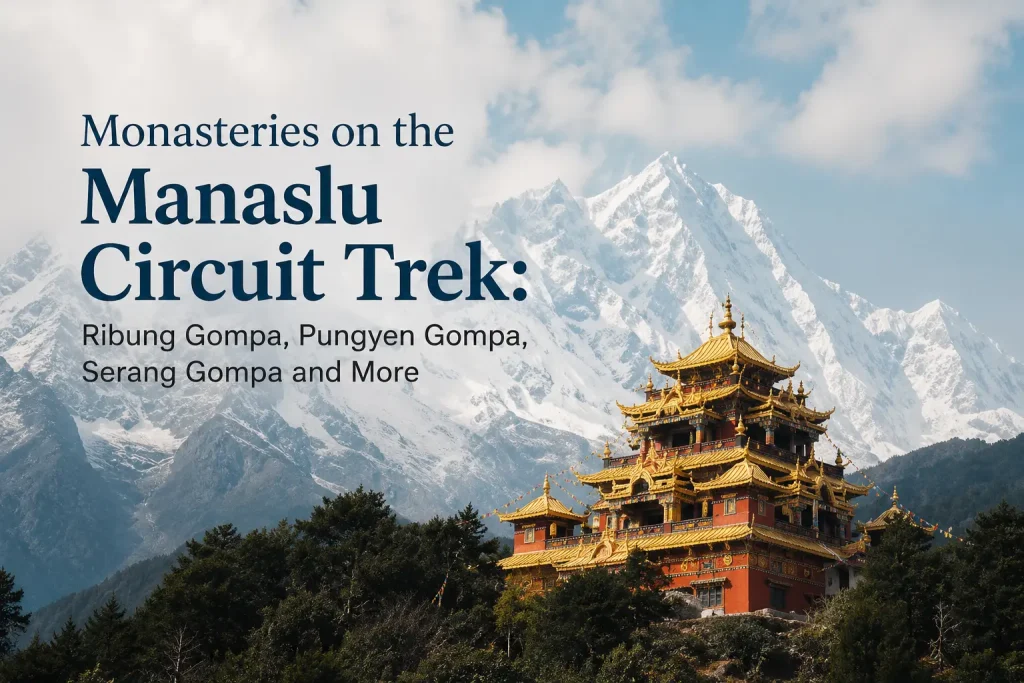
Manaslu Circuit is a greatly scout-out-and-about auspicious and saintly Himalayan trip to the very estates of one of Nepal’s most breathtaking mountains, taking you near unmatched Austrian-style alpine settlements and ancient traditions. While the dramatic view of Mount Manaslu and the challenging trail around this mountain are what attracts many trekkers, several monasteries along the way provide a fuller understanding of its holy heritage.
Trekkers here have been given a window into the culture, history, and belief systems of Himalayan communities extending all the way from these peaceful Buddhist monasteries dotting valleys across the great mountain range. When you add the hidden monasteries to a Manaslu Circuit Trek, you raise your adventure from simply a breathtaking trek to one that is steeped in meaning and cultural discovery.
The Sacred Sights in the Manaslu region
Heavily influenced by Tibetan Buddhism, monasteries in the region are an important place for history, and local traditions are retained. Villages that by and large were affected by their Tibetan and Himalayan ways of life with regard to existing customs have followed the spiritual practices through ages along these trekking ways. We will now talk about some of the facts that you need to know regarding the Manaslu Circuit Trek: On your trip you will be seeing colorful prayer flags, manila walls, prayer wheels, and monasteries. These religious sites portray the association of mountain groups and the trek tofs. The trekkers must be made conscious of the cultural experiences that too form part of the journey, not just mountains; this heritage is vital to them.
Explore Monasteries Around Samagaon Village
Samagaon is one of the cultural highlights in the Manaslu Circuit Trek; traditional monasteries are an excellent opportunity to explore. A Tibetan-influenced village under the immense form of Hit Manaslu conveys spirituality. The best way to do this would be through visiting local monasteries, learning the Buddhist way of life, and soaking in the vibes of the village. Nearby Magandi, which is an old man-visited religious place, itself is a cultural site showing tricks from the past as well as a legacy concerning the locals existing within that spot from invaders a lot longer back. These monasteries act as peaceful centers during the acclimatization days from the difficult trek route.
Indulge in a refreshing, calming Himalayan experience at Pungyen Gompa
Pungyen Gompa is a hidden monastery that you should visit on the Manaslu Circuit Trek route. High above Samagaon is this 17th-century monastery with spectacular views across Mount Manaslu and the Himalayas countryside. The location is different, but the context is nestled. With a tranquil setting and uncomplicated monks, it makes for good vibes to be held dear when reflecting or taking pictures. Together with the short trek to Pungyen Gompa, this offers a great acclimatization alternative for trekkers looking for a more secluded cultural experience. This hidden monastery not only serves as a blessing, but it also teaches travelers the spirituality and natural beauty of the Manaslu region.
If you are interested in an ancient Buddhist place in the area, then this is your spot!
The famed Lho village, where Himalayan Buddhist remains are practiced, is another cultural high point for visitors to the Manaslu circuit trek. This village is so genuine, with prayer stones and monasteries—really the more old-fashioned method of performing religious ceremonies right here. Hidden close behind the iconic Ribum Gompa in Lho are quiet spots with fantastic views of Manaslu Peak. This is a place where trekkers can learn how in Himalayan societies, religion and everyday life are interwoven. Lho, with its historical culture and Himalayan backdrop, will soon leave any spiritual soul impressed.
Going into Local Traditions and Monastic Life
The Manaslu Circuit trek includes not only architectural wonders but also insights into local customs. Format: Monasteries: Where Was Fortunately They Served 10TriviaQ-What monasteries did other things? Comment: But how many monasteries are still places of worship, meditation, education, and communal gathering? While hiking, trekkers may witness monks performing rituals, spinning prayer wheels, or perpetuating their ancient customs. It is a covered area where visitors are invited to take in the spiritual atmosphere as onlookers. All of these experiences provide an insight into the lifestyle and faith of people living in the Himalayas.
Make Learning about Local Culture the Highlight of Your Expedition
When you are planning your itinerary for the Manaslu Circuit Trek, you should allocate enough time to cultural exploration and find the undiscovered monasteries in a better way. To run through villages means going to miss some very near but hidden treasures of spirituality. The acclimatization days and shorter walking sections provide better access to the monasteries. Advance knowledge of the router-to-monasteries myths also enables travelers to find pilgrim-aided roads and the importance of the road itself. The itinerary has been artfully designed to add elements of cultural exploration amidst the grand Himalayan ambience.
Be nice when entering monasteries
On the other hand, when you go to monasteries around the Manaslu Circuit Trek, respect local rituals. Wear appropriate clothing and respect the rules of the monastery, especially when taking pictures (check first whether you are allowed to take a photo of religious ceremonies or locals). Respecting temple areas, moving gently, and keeping an eye out for indications that others are praying—these are all indications of stopping, in the Buddhist way. Responsible cultural tourism allows for the protection of these sacred spaces whilst cultivating new connections between trekkers and locals. Respectful behavior allows for real, genuine engagements with monasteries as you venture through them.
Photographing the Beauty of Monasteries
The Manaslu region’s hidden monasteries provide unique photo opportunities. Utopian photographic opportunities offering traditional Buddhist architecture, colorful prayer flags, and ancient walls with a vast mountain as a dramatic background. The ugly forms in the photographic cameras—photographers live and die to prove that relation of a spiritual heritage and the broken landscapes of the Himalayas. That being said, where photography is concerned and especially around religious sites, a degree of cultural sensitivity should always be applied. Great images require patience, respect, and the understanding of the local environment. The Manaslu Circuit Trek, known for its own cultural touch, can be recorded with monastery photography.
Cross-Monastery Hiking With Mountains
It is the hands-on evidence of nature adventure and cultural discovery that makes the Manaslu Circuit Trek. Trekkers traverse through the high passes and feast their eyes on enchanting views of other Himalayan peaks and meander to invalid monasteries in these isolated hamlets. This focuses on the actual trekking experiences as well as forming a more mutually beneficial relationship with your destination. One option that differs a little here from many of the well-known trekking routes in Nepal is the Manaslu Circuit Trek, which combines the mountain challenge with this cultural element.
Last words on Secret Monasteries at Manaslu Circuit Trek
It takes you through this hidden world of monasteries and the spiritual heart of the Himalayas. And either from centuries-old gompas above Samagaon or Buddhist sites further up the river in other mountain hamlets, these spiritual spots are sampled tapestry experiences that contribute to a more authentic cultural portrait of Manaslu. There are layers of meaning & serenity that monasteries add to cultural trek experiences. However, by means of proper planning and more travel-respectful manners The Manaslu Circuit Trek can become the most astounding mountain scenery and ancient traditions, making it one healthy trip to remember.